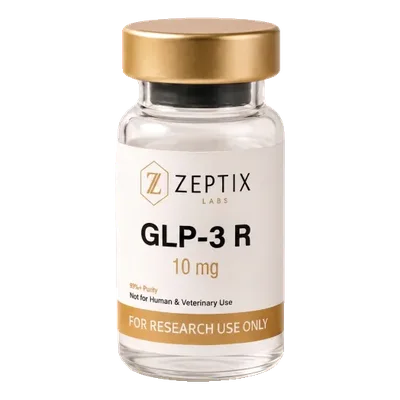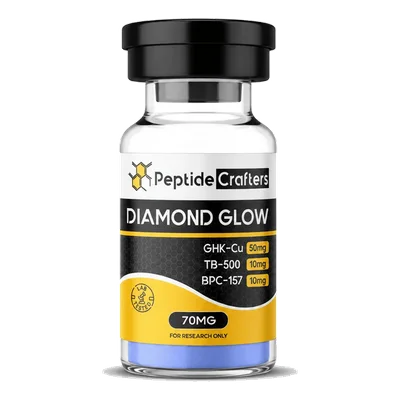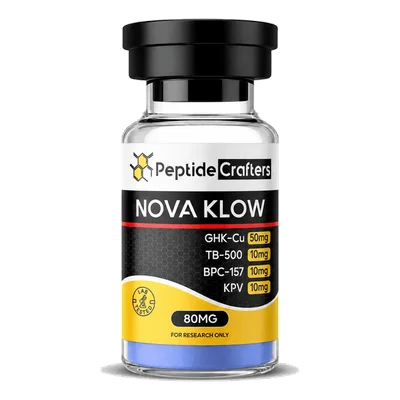
In 2026, FDA's position on research peptides is consistent: a "research use only" label doesn't protect a seller if the rest of its website shows the products are intended for people. FDA then treats them as unapproved new drugs. The agency applied this rule in warning letters dated March 31, June 17 and August 24, 2026. Separately, an FDA advisory committee reviewed several peptides for pharmacy compounding in July, which doesn't change the status of research-use products. For the broader question, including prescription peptides and state rules, see are peptides legal?
Notice: This is a plain-language summary of public regulatory documents, not legal advice. Research peptides are not FDA-approved and not for human or animal consumption. Consult a lawyer for questions about your own situation.
The core rule: intended use beats the label
Under the Federal Food, Drug, and Cosmetic Act, a product's legal status depends on its intended use, judged from the full context in which it's sold. FDA's March 2026 letters cite section 201(g)(1), according to a ChemVerify summary. The Gram Peptides letter states it directly:
"Despite statements on your product labeling marketing your products for 'Research Use Only,' evidence obtained from your website establishes that your products are intended to be drugs for human use."
When FDA reaches that conclusion, it treats the products as unapproved new drugs under section 505(a). Selling them in interstate commerce is prohibited.
What the 2026 warning letters actually cite
Across the letters we reviewed, FDA pointed to these kinds of evidence:
- Health and disease claims. The Wholesale Peptide letter (June 17, 2026) quotes product descriptions claiming effects on the prostate and hormone production. The Peptide Partners letter (August 24, 2026) quotes claims about bone health and neuroprotection.
- Weight-management language. The Gram Peptides letter cites statements about appetite suppression, glucose handling and weight management.
- Dosing information, injection instructions and dose calculators. McDermott Will & Schulte says these were central to the August 2026 letters.
- Bundled injection-preparation supplies. The Peptide Partners letter lists a "Reconstitution Solution" among the cited products and treats the sale of such supplies as evidence of human use. Gram Peptides' letter lists bacteriostatic water for injection.
- Code-named products. In the Peptide Partners letter, FDA identified abbreviated product names ("GLP-1 S," "GLP-2 T," "GLP-3 Reta") as specific GLP-1-class drugs. A code name didn't hide what the product was.
Several letters also stress that injectable products carry particular risk because they bypass some of the body's natural defenses.
2024-2026 enforcement at a glance
| Date | Recipients (selected) | Source |
|---|---|---|
| Dec 10, 2024 | Swisschems, Summit Research Peptides, Xcel Research | FDA |
| Feb 26, 2025 | USApeptide.com | FDA |
| Sep 8, 2025 | PureRawz | FDA |
| Dec 12, 2025 | Pinnacle Peptides | FDA |
| Mar 31, 2026 | Gram Peptides, Pink Pony Peptides, Mile High Compounds, Prime Sciences, PekCura Labs and others | FDA, ChemVerify |
| Jun 17, 2026 | Wholesale Peptide | FDA |
| Aug 24, 2026 | Peptide Partners, Royal Peptides, NuScience Peptides, Peak Performance Peptides, Tex Peptides | FDA |
Criminal enforcement has run alongside the letters. Paradigm Peptides' owner was sentenced to 70 months on July 30, 2026, after pleading guilty to introducing unapproved new drugs into interstate commerce with intent to defraud and mislead. The full list of shutdowns is in our 2025-2026 timeline.
Category 2: the compounding safety list
FDA keeps a list of bulk drug substances that may present significant safety risks ("Category 2") under its compounding interim policies. This list governs pharmacy compounding, not research chemical sales. As of the page's April 22, 2026 update:
- Still in Category 2: GHRP-2, GHRP-6, ipamorelin acetate and kisspeptin-10 (each added September 29, 2023).
- Moved to a "withdrawn by the nominators" table: a longer group that includes AOD-9604, BPC-157, LL-37, CJC-1295, DSIP (emideltide), Epitalon, GHK-Cu, KPV, MOTs-C, Selank, Semax, thymosin alpha-1 and TB-500. FDA says these "were withdrawn by the nominators" and gives no withdrawal dates.
Being withdrawn from Category 2 doesn't make a peptide approved. It means the compounding nomination was withdrawn.
July 2026: the compounding advisory committee
On July 23-24, 2026, FDA's Pharmacy Compounding Advisory Committee reviewed BPC-157, KPV, TB-500, MOTs-C, emideltide, Semax and Epitalon for possible inclusion on the 503A bulks list, the list of substances pharmacies may use in compounding. According to McDermott Will & Schulte, the committee voted to recommend adding six of them, including BPC-157.
Two points are easy to miss:
- Advisory committee votes are non-binding. FDA's own meeting page says so.
- Even a final decision would affect licensed pharmacy compounding, not online "research use only" sales.
State actions
Per McDermott:
- Ohio Board of Pharmacy (December 2025): said "research purposes only" medications are unlawful for prescriber clinics and med spas to possess.
- Alabama Medical Board (June 2026): told physicians not to compound, administer or dispense "non-FDA approved or research grade peptide" to patients.
What this means for how we rate vendors
Our ratings measure supplier transparency, and the regulatory picture shapes them in three ways:
- Regulatory record: a vendor with an FDA warning letter gets the floor score on that factor (5.0 on our 5-10 display scale), and we disclose the letter on its review. We don't hide or drop it. Swiss Chems, which received the December 10, 2024 letter above, is on our list with that letter disclosed.
- Labeling: we check the pages we review for dosing instructions, health claims or bundled injection supplies, which are the triggers FDA cites, and count them against the vendor.
- Naming: we count code-named products against a vendor, both because they hide what's being sold and because FDA has shown it will identify them anyway.
None of this means a listed vendor is compliant. Where we found these issues, we say so on the vendor's review. For example, PSPeptides publishes dosing guides on its blog, and American Peptides uses benefit-style bundle names (checked September 26, 2026). See best peptide vendors in the USA, how to read a peptide COA and our method.
For how individual states treat research peptides, see peptide laws by state.