Retatrutide vs tirzepatide: tirzepatide is an FDA-approved dual GIP/GLP-1 agonist (Mounjaro, Zepbound), while retatrutide is Eli Lilly's investigational triple agonist that adds the glucagon receptor. Retatrutide's Phase 3 TRIUMPH trials reported larger average weight loss versus placebo than tirzepatide's SURMOUNT-1, but the two have never been tested against each other. Retatrutide isn't approved anywhere; Lilly plans to submit it to FDA in early 2027.
Research-use notice: This page summarizes published trials, sponsor announcements and regulatory documents for general education. It isn't medical advice and contains no dosing guidance. Retatrutide is an unapproved investigational compound, and "research" tirzepatide is not the approved drug. Last reviewed October 20, 2026.
Side by side
| Retatrutide | Tirzepatide | |
|---|---|---|
| What it is | Investigational triple agonist (LY3437943), Eli Lilly | Approved dual agonist, Eli Lilly (Mounjaro, Zepbound) |
| Receptors | GIP, GLP-1 and glucagon | GIP and GLP-1 |
| Size | Peptide; check the COA mass against the published molecular weight | 39-amino-acid peptide with a C20 fatty-diacid side chain |
| Human evidence | Phase 2 (NEJM 2023) and Phase 3 TRIUMPH toplines (2025-2026) | Phase 3 SURMOUNT program, including head-to-head vs semaglutide |
| FDA status | Not approved; submission planned Q1 2027 | Approved: Mounjaro 2022, Zepbound 2023 |
| WADA 2026 | Not named; appears to fall under S0 | Not named; approved drug |
| Our price index | Retatrutide prices | Tirzepatide prices |
How they work
Both are once-weekly injectable peptides built to mimic gut hormones released after eating.
- Tirzepatide activates the GIP and GLP-1 receptors. Its fatty-acid side chain binds albumin in the blood, which extends its half-life.
- Retatrutide activates the same two receptors plus the glucagon receptor, which is why it's called a "triple-G" agonist. Researchers hypothesize that glucagon-receptor activity adds energy expenditure and liver-fat effects on top of the incretin-driven reduction in appetite (Jastreboff et al., NEJM 2023).
The extra receptor is the main pharmacological distinction. Separate trials can't show how much of any difference in results comes from it.
What the research found
There's no head-to-head trial. The results below are each drug against placebo (or, for SURMOUNT-5, against semaglutide), in different populations over different durations.
Tirzepatide
- SURMOUNT-1: 2,539 adults with obesity and without diabetes, 72 weeks. Mean weight change was -15.0%, -19.5% and -20.9% across three dose arms vs -3.1% with placebo. In the two higher arms, 50% and 57% lost at least 20% of body weight vs 3% on placebo (Jastreboff et al., NEJM 2022;387:205-216).
- SURMOUNT-5: 751 adults, 72 weeks, open-label vs semaglutide. Weight change was -20.2% vs -13.7% (P<0.001), and 2.7% vs 5.6% stopped because of GI side effects (Aronne et al., NEJM 2025; Lilly). See semaglutide vs tirzepatide.
Retatrutide
- Phase 2: 338 adults with obesity. The highest-dose arm averaged -17.5% at 24 weeks and -24.2% at 48 weeks vs -1.6% and -2.1% with placebo; 83% of that arm lost at least 15% by 48 weeks vs 2% on placebo. Adverse events were mainly gastrointestinal and dose-related, and a heart-rate increase was reported (Jastreboff et al., NEJM 2023;389:514-526).
- TRIUMPH-1 (topline May 21, 2026): 2,339 adults with obesity or overweight and without diabetes, 80 weeks. Weight change was -19.0%, -25.9% and -28.3% across three arms vs -2.2% with placebo (efficacy estimand; -17.6% to -25.0% vs -3.9% by treatment-regimen estimand). Discontinuation due to adverse events ranged from 4.1% to 11.3% vs 4.9% on placebo, and dysesthesia from 5.1% to 12.5% vs 0.9% (Lilly).
- TRIUMPH-4 (topline December 11, 2025): 445 adults with obesity and knee osteoarthritis, 68 weeks. Weight change was -26.4% and -28.7% vs -2.1% (efficacy estimand). Dysesthesia was reported in 8.8% and 20.9% vs 0.7% (Lilly).
- TRIUMPH-2 and TRIUMPH-3 (topline July 23, 2026): in type 2 diabetes with obesity (1,152 people), weight change was -12.7% to -20.8% vs -4.0%. In people with a BMI of 35 or more and cardiovascular disease (1,949 people), it was -21.6% and -22.6% vs -3.2%. TRIUMPH-3 wasn't powered for cardiovascular outcomes, and its MACE hazard ratios weren't significant (Lilly).
Most retatrutide Phase 3 figures above come from sponsor press releases, not peer-reviewed papers. For the full side-effect picture, see retatrutide side effects.
Regulatory status
- Tirzepatide: FDA approved Mounjaro for type 2 diabetes on May 13, 2022, Zepbound for chronic weight management on November 8, 2023, and Zepbound for obstructive sleep apnea with obesity on December 20, 2024 (Drugs.com).
- Retatrutide: not approved anywhere. In its July 23, 2026 release, Lilly said it is completing its manufacturing package and plans to submit to FDA in the first quarter of 2027, with data it says support obesity, knee osteoarthritis pain and sleep apnea (Lilly). Timeline details are in what is retatrutide?.
- FDA enforcement: FDA's March 31, 2026 warning letter to Gram Peptides named retatrutide (sold as "GLP-1-R peptide") and tirzepatide (sold as "GLP-2 peptide"), and rejected the "Research Use Only" labels: "evidence obtained from your website establishes that your products are intended to be drugs for human use" (FDA). Four more letters to peptide sellers followed on August 24, 2026 (Sheppard Mullin). More in FDA peptide regulation in 2026 and are peptides legal?.
- WADA 2026: neither is named on the Prohibited List. Tirzepatide is an approved drug. Retatrutide appears to fall under S0, which covers substances with "no current approval by any governmental regulatory health authority for human therapeutic use." Athletes should confirm with their anti-doping organization.
What research buyers should check
- Identity by mass spec. The COA should show a mass spectrometry result that matches the published molecular weight of the compound on the label. HPLC purity alone doesn't confirm which compound is in the vial.
- Purity and impurities. Both carry a lipidated side chain, which makes synthesis harder. Look at HPLC purity and whether the lab reports truncated or related impurities.
- Endotoxin and sterility claims, and whether they're backed by a third-party test.
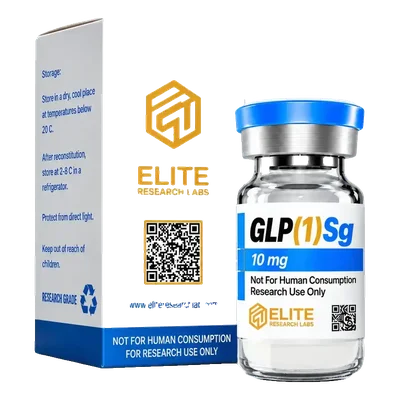
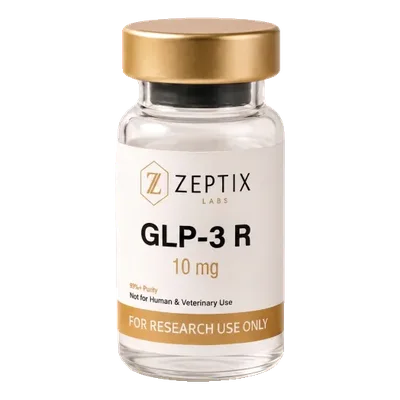
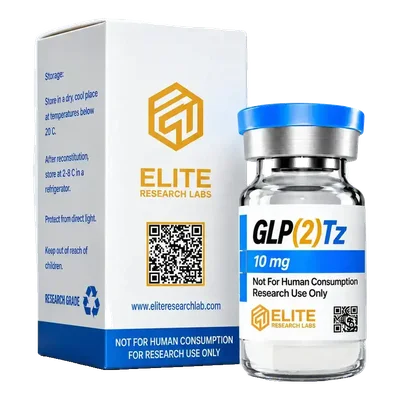
- Code names. Vendors use names like "GLP-3", "GLP-3 RT", "Reta", "TZ", "GLP-1-R peptide" and "GLP-2 peptide" (the last two quoted in FDA's letter). The COA should name the actual compound.
- Approved-drug copies. Because tirzepatide is an approved drug, any "research" tirzepatide is an unapproved product, not Mounjaro or Zepbound.
Our COA guide walks through what each test means.
Prices and vendors
- Price history: retatrutide price index and tirzepatide price index
- Vendor rankings with COA notes: best retatrutide vendors and best tirzepatide vendors
- Compare per-milligram prices across vendors: peptide price comparison tool
Bottom line
Tirzepatide is an approved, well-characterized dual agonist with a head-to-head win over semaglutide. Retatrutide adds a third receptor and has reported larger placebo-adjusted weight loss in its own trials, along with more dysesthesia, but it hasn't been compared directly with tirzepatide and isn't approved. Research material sold under either name is unapproved, so identity testing on the COA matters more than the label.
Sources are linked inline. Trial results and regulatory timelines change; we'll update this page as they do.